Healthy soil is the backbone of productive farming, and modern agriculture is increasingly shifting toward solutions that improve soil fertility while supporting sustainable crop production. Among these solutions, potassium humate has gained significant attention for its ability to enhance nutrient availability, stimulate root development, and improve overall plant health. Whether it is used in field crops, horticulture, plantations, or greenhouse farming, potassium humate has become an essential component for growers who want better yields without compromising soil quality.
As agricultural practices continue to evolve, the demand for reliable potassium humate manufacturers in Hyderabad has also increased. Hyderabad has emerged as an important industrial and agricultural hub, supplying premium-quality soil conditioners and agricultural inputs to farmers, distributors, and fertilizer companies across India. Choosing the right manufacturer is just as important as selecting the right product because consistent quality directly influences crop performance.
This guide explores everything you need to know about potassium humate, its benefits, applications, quality standards, and how to identify a dependable manufacturer in Hyderabad for long-term agricultural success.
Agriculture today is no longer focused only on increasing production. Farmers are equally concerned about maintaining soil health, reducing fertilizer losses, and improving the efficiency of every agricultural input they use. Potassium humate addresses these concerns by acting as an effective soil conditioner that naturally improves soil structure and nutrient absorption.
Unlike conventional fertilizers that mainly provide nutrients, potassium humate works by making existing nutrients more accessible to plant roots. It also promotes beneficial microbial activity within the soil, creating an environment where crops can thrive throughout their growth cycle.
Some of the reasons behind its growing popularity include:
These advantages make potassium humate an excellent choice for both commercial farming operations and small-scale agricultural activities.
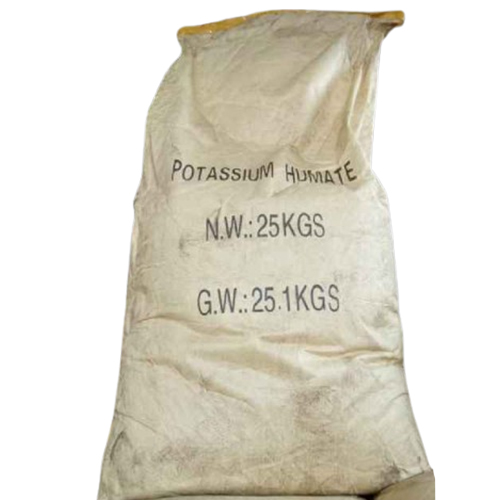
Potassium humate is a naturally occurring organic compound extracted from humic substances such as leonardite. It contains high concentrations of humic acids combined with potassium, making it highly effective in improving soil fertility and supporting healthy plant development.
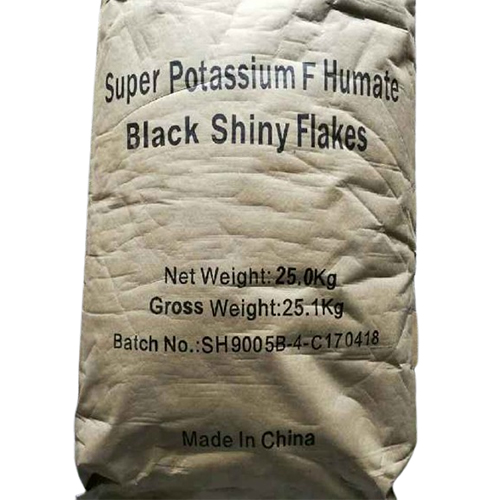
It is available in multiple forms, including powder, flakes, granules, and liquid, allowing farmers to choose the most suitable option based on their cultivation practices and irrigation systems.
Instead of directly feeding the plant like traditional fertilizers, potassium humate improves the soil ecosystem. It binds nutrients within the soil, making them available to plant roots over a longer period. It also stimulates microbial activity, which plays an essential role in decomposing organic matter and releasing nutrients naturally.
This process creates healthier soil conditions that encourage vigorous plant growth from germination to harvest.
| Property | Benefit |
|---|---|
| Rich in Humic Acid | Improves soil fertility |
| Contains Potassium | Supports plant metabolism |
| High Water Solubility | Easy application |
| Organic Nature | Eco-friendly farming |
| Excellent Chelating Ability | Better nutrient availability |
| Stable Composition | Consistent crop performance |
Healthy crops always begin with healthy soil. However, many agricultural lands gradually lose their natural fertility due to continuous cultivation, excessive chemical fertilizer use, erosion, and poor water management. Recognizing the warning signs early can help farmers restore soil productivity before crop performance declines significantly.
If your farm experiences any of the following problems, potassium humate may help improve soil conditions:
When these symptoms appear repeatedly, they often indicate that the soil needs more than just additional fertilizers. Improving soil biology becomes equally important.
Plants require more than nutrients to grow successfully. They need a healthy soil environment where roots can easily absorb water, minerals, and oxygen. Potassium humate creates these favorable conditions naturally.
One of its biggest advantages is its ability to improve root development. Larger and healthier roots allow plants to access nutrients from a greater volume of soil, making crops stronger and more resistant to environmental stress.
Another important benefit is improved microbial activity. Beneficial microorganisms break down organic matter into plant-available nutrients, creating a balanced ecosystem beneath the soil surface.
| Plant Function | Impact of Potassium Humate |
|---|---|
| Root Development | Faster and deeper root growth |
| Nutrient Uptake | Higher absorption efficiency |
| Soil Structure | Better aeration and porosity |
| Water Management | Increased moisture retention |
| Plant Immunity | Better stress tolerance |
| Crop Quality | Improved size and appearance |
Besides these direct benefits, potassium humate also helps crops withstand drought, salinity, and temperature fluctuations more effectively. Plants grown in healthy soil generally require fewer corrective treatments throughout the growing season, making farming both economical and environmentally responsible.
At Shiwani Enterprises, we have earned the trust of our clients through over 15 years of excellence in chemical trading, wholesaling, importing, and exporting. Under the leadership of Joshil Singh, we are committed to supplying premium-quality industrial chemicals that meet stringent industry standards. Our focus on rigorous quality testing, secure HDPE packaging, ethical business practices, and timely deliveries enables us to consistently fulfill the diverse requirements of our customers. By combining industry expertise with a customer-centric approach, we continue to build long-lasting relationships while delivering reliable chemical solutions at competitive prices.
One of the biggest advantages of potassium humate is its versatility. It is not limited to a specific crop or farming method. Instead, it supports healthy growth across a wide range of agricultural and horticultural crops by improving nutrient availability and soil structure. Farmers cultivating cereals, fruits, vegetables, flowers, or plantation crops can all benefit from its regular application.
Field crops such as wheat, rice, maize, cotton, and pulses require balanced nutrition throughout their growth stages. Potassium humate helps these crops absorb nutrients more efficiently, resulting in stronger stems, healthier foliage, and improved grain quality.
Fruit-bearing plants demand consistent nutrient availability for better flowering and fruit development. Potassium humate enhances root activity, allowing plants to absorb essential minerals more effectively. This often contributes to improved fruit size, color, taste, and shelf life.
Tea, coffee, sugarcane, banana, coconut, and other plantation crops benefit from healthier soil conditions created by potassium humate. Better moisture retention and nutrient utilization support long-term productivity in these crops.
Greenhouse farming depends heavily on controlled nutrition. Potassium humate helps maintain soil quality while improving fertilizer efficiency, making it suitable for high-value crops grown under protected conditions.
| Crop Category | Benefits of Potassium Humate |
|---|---|
| Cereals | Better grain filling and root growth |
| Vegetables | Improved yield and quality |
| Fruits | Enhanced flowering and fruit development |
| Flowers | Better bloom size and color |
| Plantation Crops | Improved nutrient efficiency |
| Greenhouse Crops | Healthy and uniform plant growth |
Manufacturers offer potassium humate in several forms to meet the varying needs of farmers, fertilizer companies, and agricultural distributors. Selecting the appropriate form depends on the application method, irrigation system, crop type, and operational convenience.
Powdered potassium humate is one of the most commonly used forms. It dissolves easily in water and is widely preferred for fertigation and foliar applications.
Flake-form potassium humate offers high solubility and is convenient for large-scale agricultural operations where quick preparation of nutrient solutions is required.
Granular potassium humate is suitable for direct soil application. It gradually releases beneficial organic compounds into the soil, improving fertility over time.
Liquid potassium humate is ready to use and is particularly useful for drip irrigation systems and foliar spraying. It ensures quick absorption and easy handling.
Before selecting a product, consider the following:
Choosing the right formulation ensures maximum efficiency while reducing unnecessary product wastage.
Not all potassium humate products available in the market deliver the same level of performance. Before purchasing, it is important to evaluate several quality parameters that indicate the effectiveness and consistency of the product.
A reliable manufacturer will always provide complete product specifications so buyers can make informed decisions.
| Quality Parameter | Why It Matters |
|---|---|
| Humic Acid Content | Determines soil conditioning efficiency |
| Potassium Content | Supports healthy plant growth |
| Water Solubility | Ensures easy application |
| Moisture Level | Improves storage stability |
| pH Value | Suitable for various soil conditions |
| Appearance | Indicates manufacturing consistency |
| Shelf Life | Ensures long-term usability |
| Purity | Reduces unwanted impurities |
Before finalizing a purchase, consider asking the manufacturer the following questions:
Gathering this information helps buyers compare suppliers more effectively and choose products that align with their agricultural requirements.
Farmers often compare potassium humate with other soil improvement products before making a purchase. While each product has its own purpose, potassium humate offers a unique combination of soil conditioning and nutrient enhancement.
Humic acid is the primary active component, whereas potassium humate is the potassium salt of humic acid. Potassium humate generally offers better water solubility, making it easier to apply through irrigation systems and foliar sprays.
Fulvic acid contains smaller molecules that are easily absorbed by plants and are often used alongside potassium humate. Together, they create a balanced nutrition program, but potassium humate plays a stronger role in improving soil structure.
Compost supplies organic matter and nutrients but decomposes gradually. Potassium humate works more directly by enhancing nutrient availability, stimulating microbial activity, and improving soil properties without adding large quantities of organic material.
| Product | Primary Purpose | Best Use |
|---|---|---|
| Potassium Humate | Soil conditioning and nutrient efficiency | Long-term soil improvement |
| Humic Acid | Organic soil enhancement | General soil health |
| Fulvic Acid | Nutrient transport | Foliar and nutrient absorption |
| Compost | Organic matter addition | Improving soil organic content |
Rather than replacing one another, these products often complement each other within a balanced soil management program.
When purchasing potassium humate in large quantities, selecting the right manufacturer is just as important as evaluating the product itself. A dependable supplier contributes to uninterrupted operations, consistent product quality, and better customer satisfaction.
Instead of focusing solely on pricing, businesses should assess the manufacturer's overall capabilities and commitment to quality.
Building a long-term relationship with a trusted manufacturer offers several business advantages. Reliable suppliers understand customer requirements, maintain product consistency, and can respond quickly during seasonal demand fluctuations.
Businesses also benefit from stable pricing, smoother communication, and dependable inventory management, allowing them to plan future procurement with greater confidence.
Whether you are a distributor, exporter, retailer, or fertilizer manufacturer, partnering with an experienced potassium humate manufacturer in Hyderabad can simplify procurement while ensuring that your customers receive high-quality agricultural products consistently.
Selecting the appropriate grade of potassium humate depends on several practical factors. Different crops, soil types, irrigation methods, and cultivation practices require different formulations to achieve the best results.
For example, highly water-soluble grades are preferred for drip irrigation and fertigation systems because they dissolve quickly without clogging equipment. Granular forms are often chosen for direct soil application, especially in large agricultural fields where slow and steady improvement of soil quality is desired.
Farmers should also consider the existing condition of their soil. Sandy soils may benefit from products that improve moisture retention, while compact or nutrient-deficient soils may require formulations with higher humic acid content to restore soil structure and fertility.
Consulting with an experienced manufacturer or agricultural expert can help identify the most suitable grade for specific farming requirements, ensuring maximum efficiency and long-term crop performance.
Modern agriculture demands solutions that improve productivity while preserving the long-term health of the soil. Potassium humate has proven to be one of the most effective soil conditioners for achieving this balance. By enhancing nutrient availability, stimulating beneficial microbial activity, improving soil structure, and encouraging stronger root development, it supports healthier crops and sustainable farming practices.
As the agricultural industry continues to embrace sustainable cultivation practices, potassium humate will remain an essential component in improving soil productivity and supporting higher crop yields. Investing in premium-quality products from an experienced manufacturer is a practical step toward achieving healthier fields, stronger harvests, and long-term agricultural success.
► Potassium humate is primarily used as a soil conditioner that enhances soil fertility, improves nutrient availability, encourages healthy root development, and supports overall plant growth. It is widely used in agriculture, horticulture, plantations, and greenhouse cultivation.
► Yes. Potassium humate can be used for cereals, pulses, fruits, vegetables, flowers, plantation crops, cash crops, and ornamental plants. The application rate may vary depending on the crop type and soil condition.
► No. Potassium humate is not a complete fertilizer. Instead, it improves the efficiency of fertilizers by increasing nutrient availability and reducing nutrient losses. It works best when integrated into a balanced nutrient management program.
► Potassium humate enhances soil structure by increasing aeration, improving moisture retention, stimulating beneficial microorganisms, and promoting better nutrient exchange. These improvements create a healthier environment for root growth.
► The ideal form depends on your application method. Powder and flakes are commonly used for fertigation and foliar spraying, granules are suitable for soil application, and liquid formulations are convenient for drip irrigation and quick absorption.








Copyright © 2026 Shiwani Enterprises All Rights Reserved.